Not every machine earns a long-term reputation in the tobacco industry. Most come and go as technology moves forward and manufacturers chase the next upgrade. The Protos 90 Tray Filler Machine is one of the exceptions. It has been a fixture in commercial cigarette production facilities across the world for decades, and demand has not dried up. The combination of proven reliability, manageable maintenance, and competitive output has kept it relevant in markets where practical performance matters more than having the latest model on the floor. This review covers the full specification, what setup actually looks like in practice, and how the machine holds up in real production conditions across a full working shift.
What the Protos 90 Filler Is?
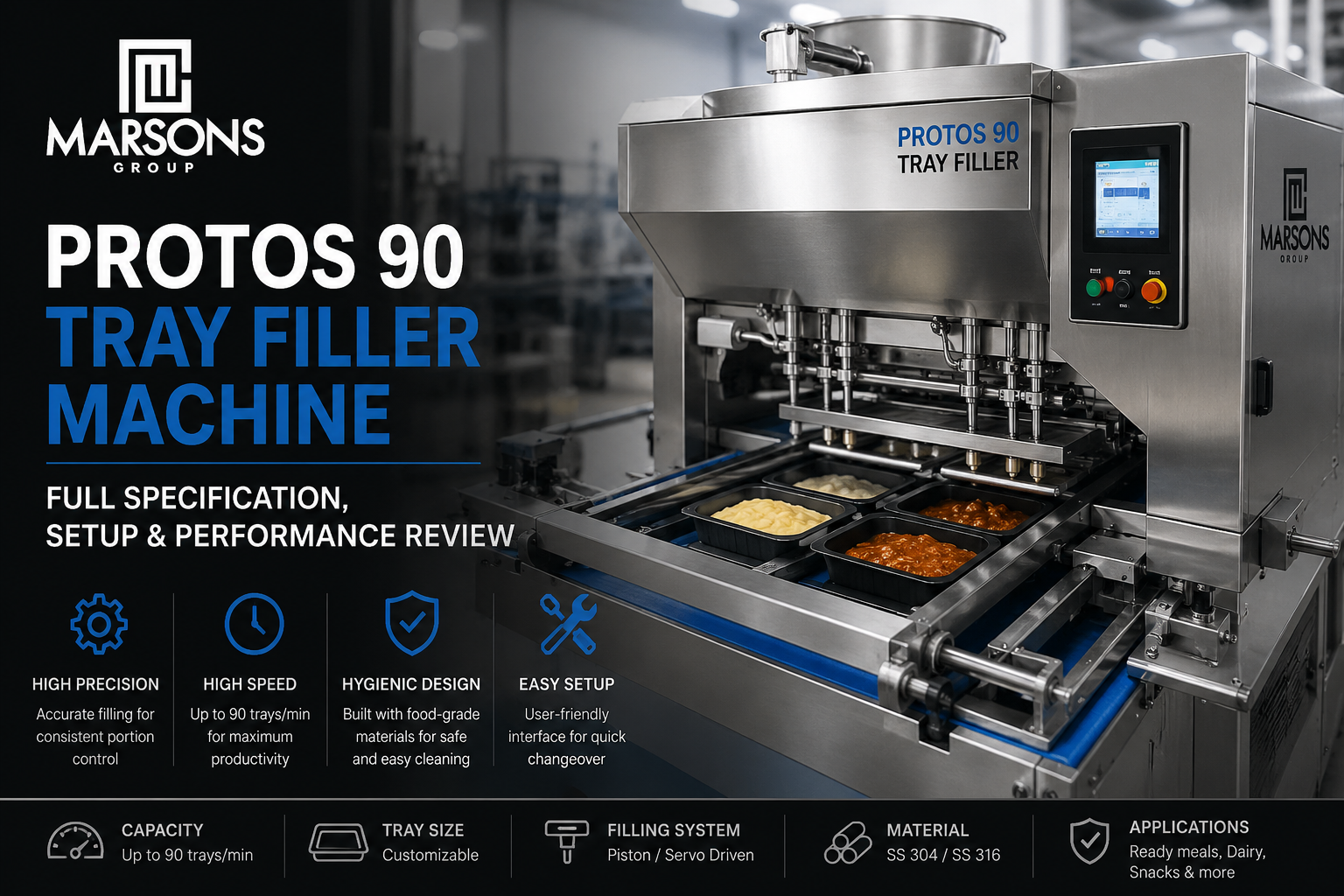
The Protos 90 Tray Filler Machine is a cigarette rod maker and tray filler combined into one integrated system. It produces cigarette rods at high speed and deposits them directly into trays for transfer to the filter attachment or packing line. What makes the Protos 90 Filler different from standard making machines is the tray filling function itself, which gives facilities more flexibility to buffer production or run making and packing operations at different times without locking both into a fixed continuous sequence that ties the two sides together.
It is a Hauni-designed machine, and that lineage matters. Hauni built some of the most reliable high-speed tobacco equipment ever produced, and the protos90 benefits directly from that engineering heritage. It shows up in the consistency of rod forming, the quality of cutting, and the overall mechanical integrity of the machine under sustained production conditions day after day.
Full Specification Breakdown
The Protos 90 runs at up to 8,000 cigarettes per minute. For any facility operating at commercial scale, that output rate changes how you plan your entire production floor because the making side is no longer the bottleneck in the line.
Rod diameter is adjustable within standard commercial ranges, giving manufacturers the flexibility to produce different cigarette formats without requiring a completely different machine. The cutting mechanism produces clean, consistent rod ends that hold up well in high-speed filter attachment and packing operations. The machine runs on standard three-phase industrial power, meaning electrical integration into most existing facilities does not require major infrastructure work or significant additional investment.
One specification that does not always get the attention it deserves is the tray capacity and transfer system. The Protos 90 Filler handles tray loading automatically, removing a manual step from the process and reducing quality variation at the handoff point between making and packing.
Setup and Commissioning
Setting up the Protos 90 Tray Filler Machine correctly is one of the more important investments a facility can make when bringing this equipment online. A properly commissioned machine performs at specification from day one. One that has been rushed through setup or handed off without proper training creates problems that take weeks to sort out on the production floor.
What many facilities overlook is that good performance from the Protos 90 depends on what comes before it. The tobacco processing machines handling cutting, blending, and conditioning upstream need to be delivering a consistent, correctly prepared input. Any variation coming from the processing side shows up directly in the making machine regardless of how well the Protos 90 itself is set up.
The setup process starts with tobacco feed calibration. The protos90 needs a consistent, correctly cut blend to produce uniform rods. Any variation in the tobacco input shows up directly in rod density and weight consistency. Getting the feed right is the foundation everything else is built on and should never be treated as a secondary concern.
The trimming and tape assembly needs to be carefully set for the specific rod diameter being produced. These components form the tobacco into a continuous rod, and their condition and calibration determine whether finished rods are consistent or variable across the run.
The cutting unit needs to be sharp, correctly timed, and producing clean ends. Blunt or misaligned knives produce ragged ends that cause problems downstream in filter attachment and packing. The tray loading system also needs to be tested and confirmed to deposit rods correctly without bridging or jamming, as this is one of the more common sources of downtime once the machine is running at full pace.
For manufacturers setting up a cigarette manufacturing machine in Pakistan or other South Asian markets, having a supplier who provides on-site commissioning support matters more than many buyers initially realize. The setup process on a machine of this complexity does not benefit from being done remotely or without experienced technical oversight on the floor.
For a full look at making machines currently available, the cigarette making machines page on the Marsons Group website covers the current range with full specifications. A useful reference when comparing the Protos 90 against other options in the market.
Performance in Production
Once set up correctly, the Protos 90 Filler Machine delivers consistent, high-volume output that serious commercial facilities are built around.
Rod consistency is where this machine genuinely stands out. Density uniformity across a full production run is tight, which translates directly into consistent draw resistance in the finished cigarette. For manufacturers supplying into markets with specific product standards, that consistency is not just a quality metric. It is a commercial requirement that affects how the product is received and whether it meets market specifications consistently over time.
Downtime on a well-maintained Protos 90 is low. The mechanical design is robust and well understood by tobacco machinery technicians globally. When something needs attention, the diagnosis is usually clear and the fix is manageable without specialist intervention. Spare parts are available through established suppliers, meaning a fault does not turn into a prolonged production shutdown that costs the facility significant output.
How Marsons Group Supports Your Purchase?
Marsons Group has been in tobacco machinery since the 1960s. They supply making machines including the Protos 90 Tray Filler Machine to manufacturers across Pakistan, the Middle East, Africa, and beyond. Installation and commissioning, technical training, spare parts supply, and ongoing after-sales assistance are all part of how they work with every client. For manufacturers evaluating a cigarette manufacturing machine in Pakistan or anywhere else, that full-service approach turns a machine purchase into a complete production solution.
Conclusion
The Protos 90 Tray Filler Machine has earned its place in commercial tobacco production through decades of reliable, high-output performance. The specs are strong, the setup process rewards care and attention, and production results on a well-maintained machine are consistently good. From the perspective of ROI analysis of automation vs manual operations in tobacco processing, the Protos 90 stands out as a valuable investment due to its ability to improve efficiency, reduce labor dependency, and maintain consistent production quality at scale. Whether you are setting up a new high-volume line or replacing aging equipment, the Protos 90 Filler is a machine that deserves serious consideration before you commit to any alternative on the market.