Installing new cigarette packing equipment is an important step for manufacturers looking to expand production, replace outdated machinery, or improve packaging efficiency. However, the process involves much more than delivering equipment to a factory and connecting it to a power supply. Proper cigarette packing machine installation requires careful planning, technical inspections, safety verification, and performance testing before regular production can begin. Every stage matters because installation problems can lead to unnecessary downtime, equipment damage, or inconsistent packaging quality. Manufacturers exploring different equipment configurations can review the Cigarette Packing Machines available through Marsons Group. Understanding the installation process helps businesses prepare their facilities, coordinate technical teams, and establish realistic expectations for commissioning and production handover.
What Does Cigarette Packing Machine Installation Involve?
Cigarette packing machine installation generally involves several connected stages, beginning with factory preparation and ending with equipment acceptance. After delivery, technicians inspect the machinery, position the equipment, complete mechanical and electrical connections, and verify that the necessary utilities are available. The next stage is commissioning, during which the installed machine undergoes functional checks, safety verification, and controlled testing. These activities help establish whether the equipment operates according to its technical specifications. Installation and commissioning should not be confused with routine production. A machine may be mechanically installed but still require adjustments, performance trials, and operator training before commercial operation. Understanding these distinctions helps manufacturers coordinate responsibilities and avoid unrealistic production expectations.
Preparing Your Factory Before the Machine Arrives
Successful installation begins before the equipment reaches the factory. Manufacturers should review the machine’s dimensions, weight, utility requirements, and intended position within the production area. Adequate space must be available for equipment operation, maintenance access, and safe movement around the machinery. Electrical supply, compressed air infrastructure, and other necessary services should also be assessed against the manufacturer’s specifications. A practical installation checklist can help confirm that access routes, floor conditions, lifting arrangements, and technical personnel are ready. Businesses should also consider how the new machine will connect with existing production equipment. Identifying these requirements early reduces the likelihood of delays caused by unavailable utilities, unsuitable factory layouts, or incomplete preparation.
Delivery, Unloading, and Initial Equipment Inspection
When the machine arrives, the receiving team should verify the shipment against the purchase documentation and packing list. This includes checking the equipment model, supplied components, accessories, and any technical documents included in the delivery. Visible transport damage should be recorded and reported according to the purchasing agreement. Large industrial machines may require specialized lifting arrangements and experienced personnel to move them safely into the installation area. Manufacturers should avoid assuming that delivered machinery is immediately ready for operation. Missing components, damaged parts, or documentation discrepancies can affect subsequent installation work. Recording the equipment’s condition upon arrival also helps establish accountability and provides a useful reference if problems arise during commissioning.
Mechanical Installation and Equipment Positioning
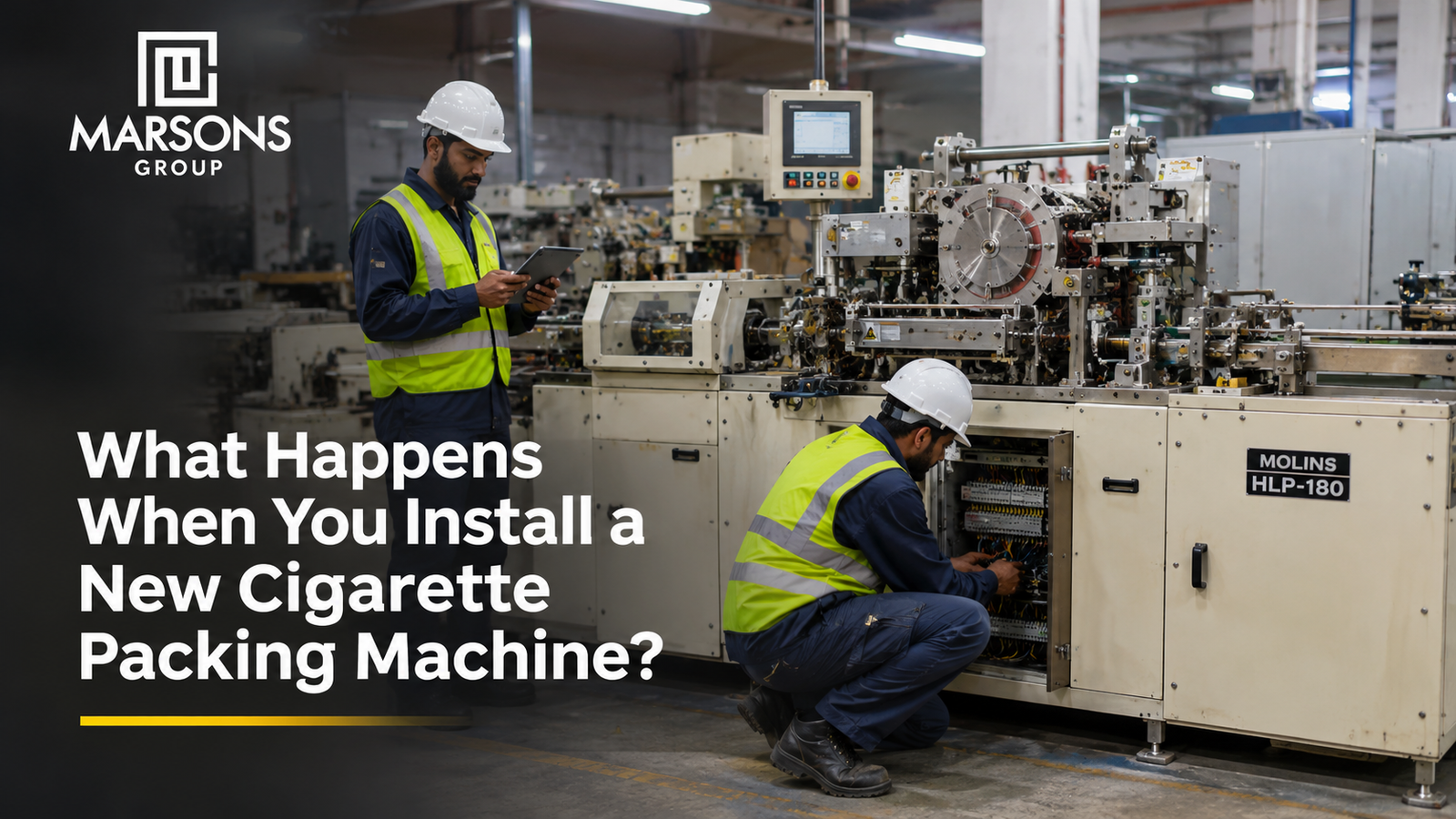
Mechanical installation focuses on positioning, assembling, and securing the machinery according to its approved technical specifications. Depending on the equipment configuration, technicians may need to check leveling, stability, component alignment, and connections with surrounding production systems. Correct positioning is important because poor alignment can contribute to mechanical wear, operational interruptions, and inconsistent equipment performance. Sufficient clearance should remain available for operators and maintenance personnel to access the machine safely. The installation team should also verify that the surrounding production layout supports the intended movement of materials between connected equipment. These activities should be performed by qualified personnel using the manufacturer’s documentation rather than relying on generalized installation methods.
Electrical Connections, Utilities, and Safety Verification
Once mechanical installation is complete, qualified technicians can verify electrical connections, pneumatic systems, and other required utilities. The machine’s power requirements must match the available supply, while compressed air systems should meet the specified operating conditions. Safety verification is equally important before equipment is placed into operation. Relevant checks may include emergency stop functions, protective guards, interlocks, electrical isolation, and the machine’s response to identified fault conditions. Testing should follow the manufacturer’s approved procedures and applicable workplace safety requirements. These checks help identify conditions that could create risks during operation or maintenance. A machine should not enter routine production until critical safety issues have been addressed and the required verification activities are completed.
What Happens During Cigarette Packing Machine Commissioning?
Commissioning begins after the necessary installation work has been completed and the equipment is ready for functional verification. During this stage, technicians assess whether the machine’s controls, mechanical functions, and supporting systems operate as intended. For teams commissioning industrial packing machine systems, the objective is to establish reliable operation under the agreed technical conditions before formal acceptance testing. Initial checks may identify control issues, alignment problems, or adjustments that require further attention. The specific activities depend on the machine model, configuration, and installation agreement. Commissioning is therefore more than simply starting the equipment for the first time. It is a documented process that connects physical installation with verified operational readiness.
Testing Automation, Sensors, and Production Line Integration
Modern cigarette packing equipment may include automated feeding, packaging controls, sensors, and inspection systems that must operate together. During commissioning, technicians verify that these components respond correctly and communicate with connected machinery where required. Testing may involve monitoring operational signals, checking fault indications, and confirming that connected equipment responds appropriately to relevant stoppages. These activities are particularly important when a new machine is integrated into an existing production line. For a broader understanding of automated packaging technology, read The Role of Automation in Cigarette Packing Machines in Modern Manufacturing. Successful integration means verifying the behavior of the complete production arrangement, rather than assuming that individual machines will automatically work together.
Understanding the Commissioning Timeline and Common Delays
The commissioning timeline for a cigarette packing machine depends on several factors, including equipment complexity, factory readiness, installation requirements, and the extent of production line integration. A machine requiring limited additional infrastructure may involve fewer installation activities than equipment being introduced into a more complicated production arrangement. Delays can occur when utilities are unavailable, components are missing, technical personnel are delayed, or existing systems require adjustments. Production trials may also take longer when suitable testing materials are not available. There is no universal number of days that applies to every installation. Manufacturers should agree on a realistic project schedule with clear responsibilities, technical milestones, and arrangements for resolving unexpected issues.
Trial Production, Quality Checks, and Performance Testing
After commissioning, controlled production trials help determine whether the equipment meets its agreed operating requirements. Manufacturers may assess packaging consistency, acceptable finished output, rejected packs, operating speed, and the frequency of interruptions. These measurements provide a clearer understanding of machine performance than observing a brief demonstration. Trial conditions should be documented so that results can be compared against the acceptance criteria established in the purchasing agreement. Packaging materials and product specifications must also be appropriate for the intended test. If problems occur, the technical team should investigate the causes and repeat the relevant verification activities. The purpose is to establish reliable performance under agreed conditions before the equipment enters regular production.
Operator Training, Maintenance Guidance, and Documentation
A functioning machine cannot support reliable production if employees are unfamiliar with its operation and maintenance requirements. Operator training should cover approved operating procedures, routine inspections, warning indicators, safe shutdown practices, and the correct response to common faults. Maintenance personnel also need guidance on scheduled servicing, relevant wear components, and troubleshooting responsibilities. The supplier and manufacturer should establish which technical documents are included in the handover, such as operating manuals, maintenance instructions, drawings, spare parts information, and commissioning records. Training should involve the employees responsible for daily production rather than relying on a single demonstration. Proper documentation and clear operating responsibilities help reduce avoidable errors after the installation team completes its work.
Final Acceptance Testing and Handover to Production
Final acceptance confirms whether the installed equipment has satisfied the performance and contractual requirements agreed between the parties. Factory Acceptance Testing, when included, normally takes place before shipment, while Site Acceptance Testing verifies relevant conditions after installation. The acceptance process may include documented safety checks, production trial results, packaging quality assessments, and confirmation that required training has been completed. Any outstanding issues should be recorded with clear responsibilities and arrangements for corrective action. Critical safety failures must be resolved before routine operation. Once the agreed requirements have been satisfied, the equipment can be formally handed over to the production team. A documented handover provides a clearer transition from installation activities to ongoing manufacturing responsibilities.
Conclusion:
A successful cigarette packing machine installation requires coordination between factory management, technical personnel, equipment suppliers, and production teams. From preparing the installation area to completing safety checks, commissioning, performance testing, and operator training, each stage contributes to the machine’s readiness for commercial operation. Rushing these activities can create avoidable mechanical problems, production interruptions, and quality concerns. Manufacturers should establish clear installation responsibilities, verify technical requirements, and document acceptance results before beginning regular production. Although installation procedures and timelines vary between machines, thorough preparation and structured commissioning provide a stronger foundation for dependable equipment performance, effective maintenance, and consistent packaging operations over the machine’s working life.