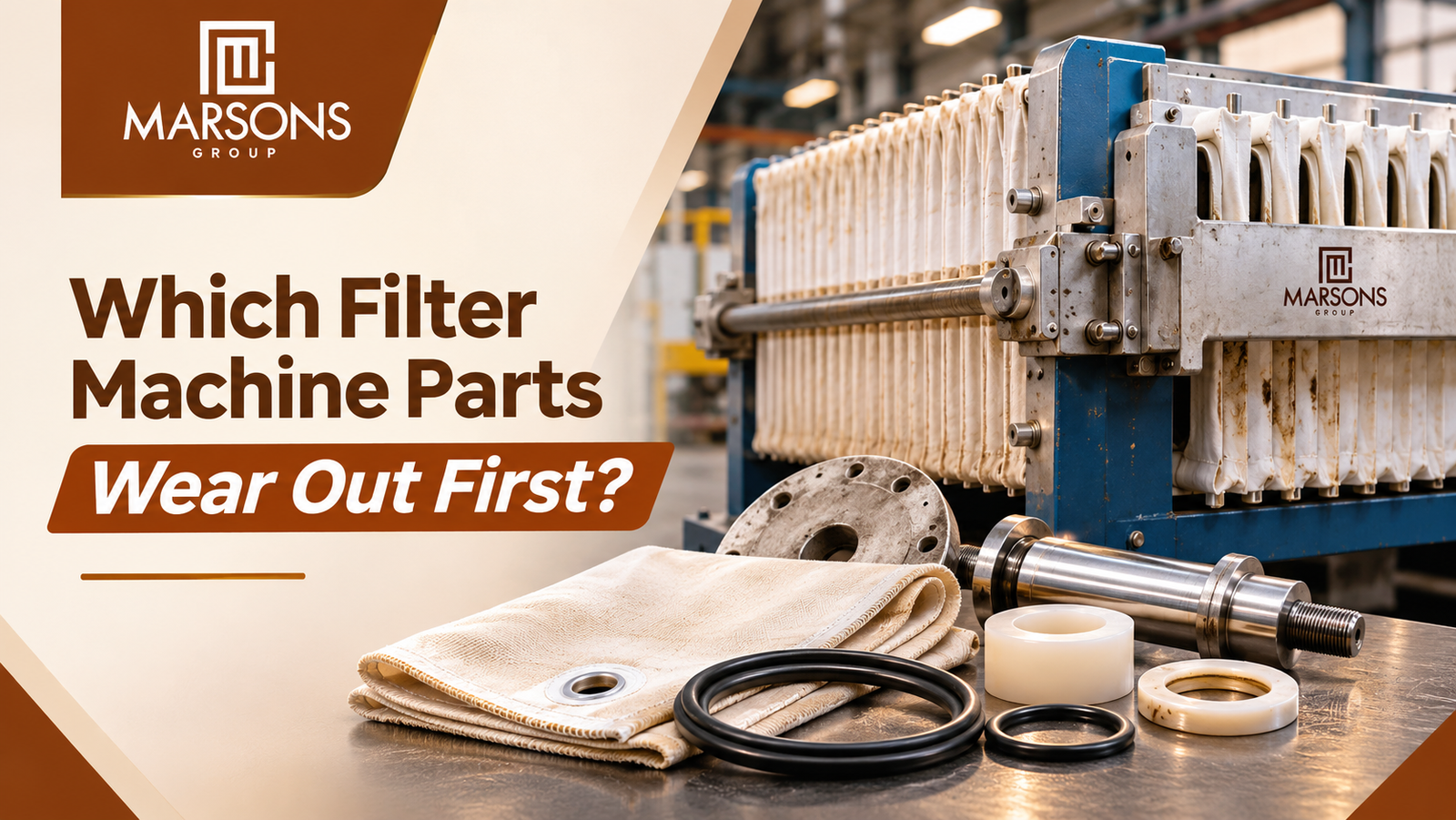
Cigarette filter machines operate through continuous cutting, feeding, forming, and material handling processes. Over time, the components responsible for these operations experience friction, mechanical stress, and gradual deterioration. Understanding which parts require the most attention can help manufacturers reduce unexpected downtime and maintain consistent production quality. Among the most commonly inspected cigarette filter machine spare parts are cutting knives, garniture tapes, transport belts, feed rollers, and other contact components. However, replacement frequency depends on machine design, operating conditions, and maintenance practices. For manufacturers evaluating equipment requirements, Marsons Group offers Cigarette Filter Machines for different filter production applications. This guide explains which components commonly wear out, how to identify deterioration, and what manufacturers should consider when planning maintenance and replacement.
Which Cigarette Filter Machine Parts Typically Wear Out First?
Cutting knives, garniture tapes, transport belts, and contact rollers are generally among the first components maintenance teams should monitor because they experience repeated movement or direct contact with materials. Cutting elements gradually lose their sharpness, while tapes and belts may develop abrasion, stretching, or tracking problems. Rollers can experience surface deterioration that affects material handling. Other components, including bearings, bushings, seals, and suction assemblies, may last longer but can still fail prematurely under unsuitable operating conditions. There is no universal replacement order that applies to every machine. A conventional filter rod maker has different wear points from a filter combiner. Manufacturers should therefore identify critical filter machine wear parts according to their equipment configuration and maintenance history.
Cutting Blades and Knives: Common High Wear Components
Cutting knives are important components in filter rod production because they divide continuously formed material into specified lengths. Repeated cutting gradually affects the condition of the blade edge, particularly when operating conditions create additional mechanical stress. Dull or damaged knives may produce uneven cuts, damaged rod ends, or increased product rejection. Maintenance teams should examine blade condition, cutting consistency, and the operation of associated sharpening components. Incorrect alignment or unsuitable replacement blades can also affect cutting performance. Although knives are commonly treated as wear components, their replacement intervals depend on blade material, machine speed, operating conditions, and manufacturer specifications. Regular inspection helps identify deterioration before it results in significant production problems.
Conveyor Belts, Drive Belts, and Feed Rollers
Belts and rollers support the controlled movement of materials through different stages of filter production. Garniture tapes, where used, help guide and form continuous filter rods, while transport belts and feed rollers support material handling. These components experience regular contact, movement, and mechanical loading. Over time, belts may stretch, develop surface damage, or lose their intended tracking characteristics. Rollers can experience uneven surface wear that affects material grip and movement. Incorrect tension, poor alignment, and contamination may accelerate deterioration. Maintenance personnel should inspect belt surfaces, roller condition, and tracking behaviour according to the manufacturer’s instructions. Replacing damaged components before they affect material handling can help reduce avoidable interruptions and product inconsistencies.
Bearings, Bushings, and Other Moving Components
Bearings and bushings support rotating shafts, rollers, and other moving assemblies within filter machinery. Unlike cutting knives or transport tapes, these components may not require frequent routine replacement under normal operating conditions. However, their reliability depends heavily on lubrication, alignment, mechanical loading, and protection against contamination. Insufficient lubrication can increase friction and operating temperature, while incorrect installation may create uneven loads. Common warning signs include unusual vibration, abnormal noise, excessive heat, and unwanted movement in mechanical assemblies. Maintenance teams should investigate these symptoms promptly rather than assume every problem requires immediate replacement. Using the correct lubricant and following manufacturer specified maintenance procedures can help reduce premature wear and prevent damage to surrounding components.
Vacuum Systems, Seals, and Suction Components
Some filter machines use vacuum or suction systems to assist with material positioning, transfer, and handling. Their performance depends on suitable sealing, clear passages, and correctly functioning components. Worn seals, loose connections, contamination, or blockages may reduce suction effectiveness and cause feeding inconsistencies. In some cases, these problems are mistaken for vacuum pump failure even when the main pump remains operational. Maintenance personnel should therefore examine the complete system before replacing expensive components. Inspection priorities may include seals, suction passages, connections, and relevant pressure readings. Because vacuum arrangements differ between machines, replacement decisions must follow the equipment’s actual configuration. Proper diagnosis helps distinguish routine maintenance problems from mechanical failures requiring component replacement.
Filter Combiner Spare Parts That Require Regular Attention
Filter combiners perform a different function from conventional filter rod makers. Rather than forming a continuous filter from a single material stream, they assemble prepared segments into a specified arrangement. This process requires accurate feeding, positioning, transportation, and cutting. Consequently, filter combiner spare parts may include segment handling rollers, guides, transport components, cutting elements, and other model specific assemblies. Wear or incorrect adjustment can affect segment positioning and finished product dimensions. Manufacturers wanting to understand the equipment in greater detail can refer to Cigarette Filter Combiner Machine: How It Works, Key Models & Where to Source. Before ordering replacement components, maintenance teams should confirm the combiner model, machine configuration, and applicable technical specifications.
What Causes Cigarette Filter Machine Parts to Wear Out Faster?
Several operating conditions can accelerate the deterioration of filter machine components. Incorrect alignment may create uneven pressure on belts, rollers, and bearings, while insufficient lubrication increases friction between moving surfaces. Dust and debris can also affect mechanical assemblies, particularly when contamination reaches contact surfaces or bearing systems. Excessive mechanical loading and incorrectly installed replacement parts may contribute to premature failure. Operating conditions should always remain within the machine manufacturer’s specified limits. Another important consideration is component compatibility. Parts with unsuitable dimensions, materials, or tolerances can cause additional wear elsewhere in the machine. Rather than repeatedly replacing damaged components, maintenance teams should investigate the underlying causes to prevent recurring problems.
Warning Signs That Filter Machine Components Need Replacement
Mechanical wear often produces warning signs before a machine stops operating completely. Cutting problems may appear as inconsistent rod lengths or damaged ends, while worn transport components can cause irregular feeding or tracking difficulties. Bearings may produce unusual noise, increased vibration, or excessive operating temperature. Vacuum system problems can affect material handling, depending on the equipment design. Maintenance personnel should also monitor recurring quality defects, damaged belts, and abnormal mechanical movement. However, these symptoms do not always indicate a worn component. Incorrect settings, unsuitable materials, or other operating problems may produce similar results. A systematic inspection process helps identify the actual cause before unnecessary replacement costs are incurred.
Preventive Maintenance Tips to Extend Spare Parts Lifespan
Preventive maintenance plays an important role in keeping filter machines reliable and identifying deterioration before unexpected stoppages occur. Manufacturers should establish inspection routines based on equipment manuals, operating conditions, and previous maintenance records. Activities may include checking blade condition, observing belt tracking, inspecting rollers, monitoring vibration, and verifying lubrication requirements. Cleaning should focus on areas where contamination can affect moving components or material handling. Maintenance teams should document unusual wear patterns and investigate repeated failures instead of relying entirely on scheduled replacement. Machine servicing must also follow appropriate safety procedures, including hazardous energy isolation when required. A consistent maintenance programme can improve equipment reliability, although it cannot eliminate every mechanical failure.
How to Choose the Right Cigarette Filter Machine Spare Parts
Selecting replacement components requires careful attention to compatibility, quality, and machine specifications. Buyers should confirm the machine model, part number, dimensions, material requirements, and relevant engineering tolerances before placing an order. Components that appear similar may not provide the correct fit or performance. This is particularly important for cutting knives, transport tapes, rollers, and precision mechanical assemblies. When sourcing filter rod machine maintenance parts, manufacturers should also consider supplier documentation, availability, technical assistance, and expected delivery times. Replacement decisions should reflect the importance of each component to production reliability rather than purchase price alone. Accurate machine information helps suppliers identify suitable parts and reduces the likelihood of ordering incompatible replacements.
How to Reduce Downtime Through Spare Parts Inventory Planning
Maintaining an appropriate spare parts inventory can help reduce delays when essential components require replacement. However, purchasing large quantities of every available part is not always practical or economical. Manufacturers should prioritize components according to failure frequency, production impact, replacement lead time, and availability. Frequently replaced knives, tapes, and transport components may deserve greater inventory attention than parts with low failure rates and short delivery times. Maintenance records can provide useful information about consumption patterns and recurring equipment problems. Businesses should also consider whether specialized components are available locally or require international sourcing. A structured inventory plan helps ensure that critical replacements are accessible without creating unnecessary storage costs or tying up excessive working capital.
Conclusion:
Understanding which components wear out first allows manufacturers to make better maintenance and purchasing decisions. Cutting knives, garniture tapes, belts, and contact rollers commonly deserve close attention, while bearings, bushings, and vacuum components require condition based inspection. However, replacement frequency varies according to machine design, usage, alignment, and maintenance practices. Choosing compatible cigarette filter machine spare parts, monitoring warning signs, and maintaining appropriate inventory can help reduce avoidable production interruptions. Manufacturers should follow equipment specific maintenance guidance and investigate the causes of repeated failures. Ultimately, effective spare parts management is about maintaining reliable machinery through timely inspection, accurate diagnosis, and well planned replacement rather than waiting for components to fail.