Tobacco manufacturers looking to modernize their filter production lines eventually run into one piece of equipment that quietly determines product consistency, output speed, and overall line efficiency: the cigarette filter combiner machine. Whether you are setting up a new facility, upgrading legacy equipment, or simply trying to understand how modern filter production works, this guide breaks down the mechanics, the models available on the market, and where manufacturers , particularly those in Pakistan , can reliably source this equipment.
What Is a Cigarette Filter Combiner Machine?
A cigarette filter combiner machine is industrial equipment designed to merge two or more filter segments , such as charcoal, standard acetate tow, or capsule elements , into a single, continuous multi-segment filter rod. Instead of producing a plain single-material filter, the combiner allows manufacturers to build layered filters with distinct functional zones, which is now standard across most mid-to-premium cigarette brands.
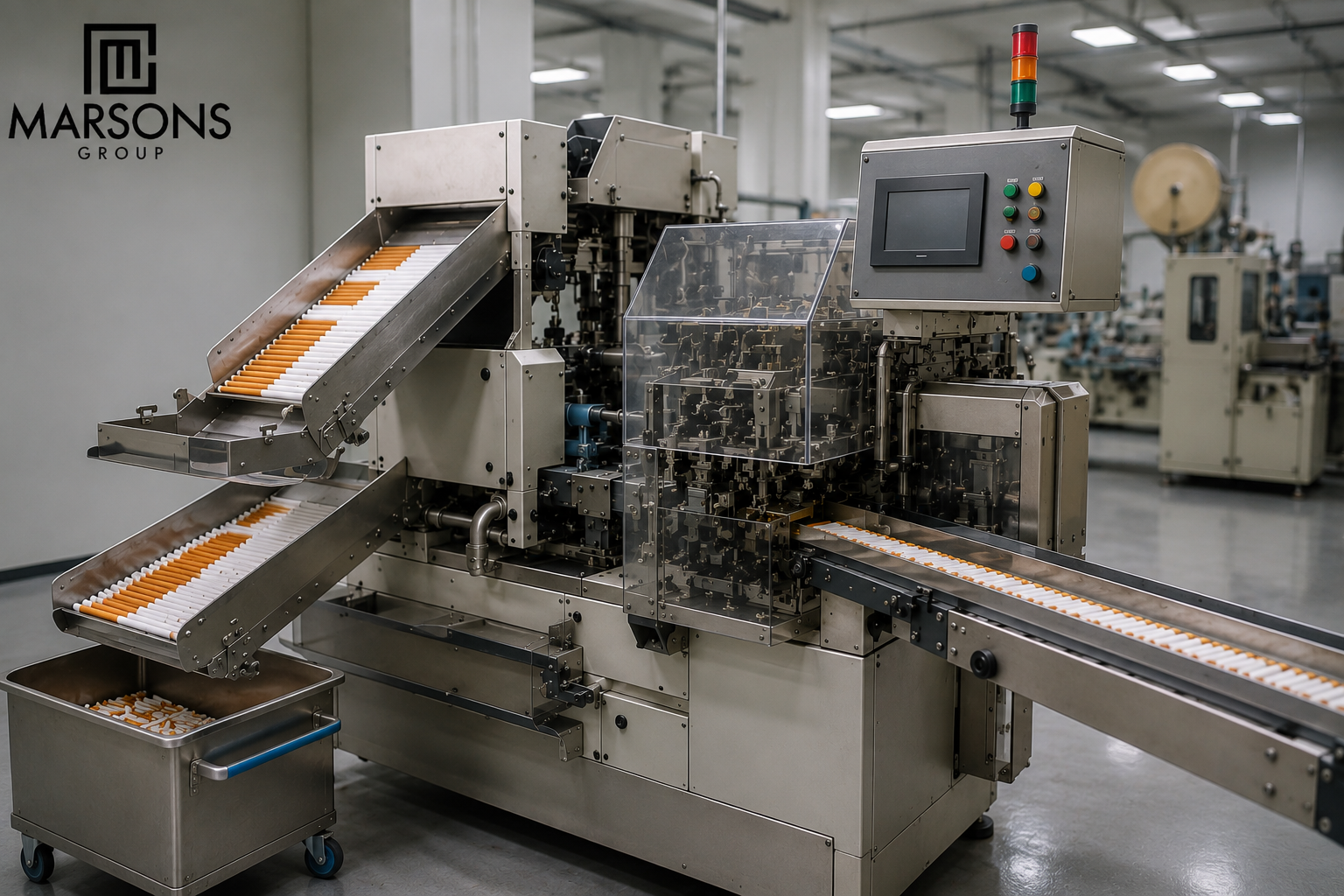
This machine typically works alongside, not instead of, a broader filter production line. It receives pre-cut filter sections from upstream units, aligns them precisely, and joins them with wrapping paper before the composite rod moves on to be cut into individual filter plugs. Because filter design has become a differentiator for tobacco brands, combiner machines have become essential rather than optional for manufacturers targeting export-quality or premium segments.
How a Cigarette Filter Combiner Machine Works
At its core, the process follows four coordinated stages. First, individual filter elements , cut to specific lengths depending on brand specifications , are fed from separate hoppers or conveyors into a synchronized transfer system. Second, these elements are arranged in an alternating or sequenced pattern on a moving band, spaced precisely so each finished filter contains the correct segment order.
Third, a continuous strip of filter paper is wrapped around the aligned elements and heat-sealed to hold the composite rod together. Finally, a rotary cutter slices the sealed rod into shorter plugs, each sized to produce multiple individual filters once further cut downstream. Modern machines run this entire sequence at high speed with servo-driven precision, and many current models include automatic rejection systems that discard defective rods before they reach the packing stage, reducing material waste and protecting quality control standards.
Cigarette Filter Combiner Machine vs. Cigarette Filter Making Machine: Key Differences
It’s worth distinguishing between related equipment, since the terms are often used loosely in the market. A cigarette filter making machine is the broader category , it covers any equipment that produces filter rods from raw acetate tow or paper, including simple single-segment filters. A cigarette filter combiner machine is a more specialized unit within that category, purpose-built for joining multiple filter types into one rod.
In practice, a full filter production line often includes both: a tow processor and rod maker to produce the base filter material, and a combiner module to merge segments where multi-part filters are required. Some manufacturers offer modular systems where the combiner can be added or removed depending on whether the factory is producing simple or multi-segment filters, giving smaller operations flexibility without committing to a dedicated, single-purpose machine.
Core Components and Technology Behind Cigarette Hollow Tube Machines
Closely related to filter combiners is the cigarette hollow tube machine, which produces the empty paper tubes used in roll-your-own and tube-filling cigarette formats. These machines roll continuous sheets of cellulose paper into cylindrical tubes, glue the seam, and often insert a pre-made filter at one end before final cutting.
Core components typically include a paper feed and tension system, a forming section that shapes the tube around a mandrel, a gluing unit, a filter insertion mechanism, and a precision cutter. High-output models can produce several thousand tubes per minute, with tube diameters commonly ranging from 6mm to 8mm and lengths matching standard King Size (84mm) or 100mm formats. Servo control systems and touchscreen interfaces are now standard on newer machines, allowing operators to adjust tube length, diameter, and production speed without manual retooling , a meaningful advantage for manufacturers producing multiple product formats on one line.
This shift toward smarter, more configurable equipment is part of a broader industry pattern. Manufacturers comparing options today are increasingly guided by resources like Top Features to Look for in a Cigarette Manufacturing Machine in 2026, which highlight automation, predictive maintenance, and connectivity as decisive factors , not just raw output speed , when evaluating new equipment purchases.
Popular Models of Cigarette Filter Combiner Machines
The market offers a range of combiner models suited to different production scales. High-speed industrial units, often running at several thousand rotations per minute, are built for large manufacturers needing continuous, uninterrupted output and easy integration with upstream rod makers and downstream buffering systems. These are typically favored by established brands producing multi-segment filters, including charcoal and capsule variants, at industrial volume.
For mid-sized operations, triple and dual filter combiner configurations are common, offering servo-controlled operation, adjustable rod lengths (often between 90mm and 150mm), and moderate power consumption suited to factories without the capital budget for top-tier automated lines. Refurbished machines from established brands also remain popular in developing markets, offering proven mechanical reliability at a lower upfront cost, provided they come with proper servicing history and spare parts support.
Cigarette Tube Making Machine: Applications Beyond Filters
While closely associated with filter production, a cigarette tube making machine also serves markets beyond traditional cigarette manufacturing. Roll-your-own (RYO) and make-your-own (MYO) tobacco segments rely heavily on pre-made tubes that consumers fill themselves using handheld injectors or small filling machines, and this segment has grown due to the price gap between factory-made cigarettes and RYO alternatives in many markets.
Manufacturers producing empty tubes for retail distribution need machines capable of handling varied tube diameters and materials, consistent filling density, and compliance with regional labeling and safety regulations. As tobacco taxation and packaging laws tighten globally, machine specifications increasingly need to account for track-and-trace features and material restrictions, making it important to choose equipment from suppliers who understand both the mechanical and regulatory sides of production.
Where to Source a Cigarette Tube Packing Machine for Sale in Pakistan
Pakistan’s tobacco manufacturing sector, concentrated heavily around industrial zones in Karachi, has a well-established base of machinery suppliers offering both new and refurbished equipment. Buyers searching for a cigarette tube packing machine for sale in Pakistan will typically find options ranging from complete production lines to standalone packing units, sourced either locally or imported from established European and Chinese manufacturers.
When sourcing locally, it’s worth prioritizing suppliers with a demonstrated track record, in-country technical support, and access to spare parts , since imported machinery without local servicing capability can lead to costly downtime. Several Karachi-based suppliers offer refurbished lines from well-known original manufacturers alongside newer automated systems, giving buyers a range of price points depending on production scale and budget.
Buying Guide: What to Check Before Purchasing
Before committing to a machine, manufacturers should verify several factors beyond the headline price. Confirm the machine’s rated output speed matches your production targets, check compatible tube and filter diameters against your product specifications, and ask for a clear breakdown of what’s included , installation, commissioning, operator training, and after-sales support are not always bundled by default.
It’s also worth reviewing automation level, energy efficiency, and smart connectivity capabilities, since Industry 4.0 features like predictive maintenance and remote monitoring are becoming standard requirements rather than premium add-ons. Finally, request a demonstration or reference site if possible, and confirm whether the machine is sold tested and ready-to-run or as-is, since that distinction significantly affects total cost of ownership.
Conclusion
Choosing the right filter and tube production equipment comes down to matching machine capability with your actual production goals, budget, and long-term service support. Whether you’re evaluating a cigarette filter combiner machine for multi-segment filter production or comparing options for tube packing equipment, working with an experienced, transparent supplier makes the difference between a smooth installation and ongoing operational headaches.
For manufacturers ready to explore current inventory and get detailed specifications tailored to their production needs, browsing available Cigarette Filter Machines is a practical next step toward building a reliable, future-ready production line.