Some machines earn their reputation over years of quiet, reliable performance. They do not make headlines. They just keep running shift after shift, producing consistent output, and holding their value long after newer models have come and gone. The Mark 8D cigarette machine is one of those. It has been a staple in commercial tobacco production for decades, and there is still genuine demand for it in markets across the world. But demand also means there are a lot of units out there in varying conditions, sold by sellers with varying levels of honesty. If you are considering a purchase, what you know going in matters a lot.
What the Mark 8D Actually Is?
Before getting into the buying side of things, it helps to be clear on what the machine actually does.
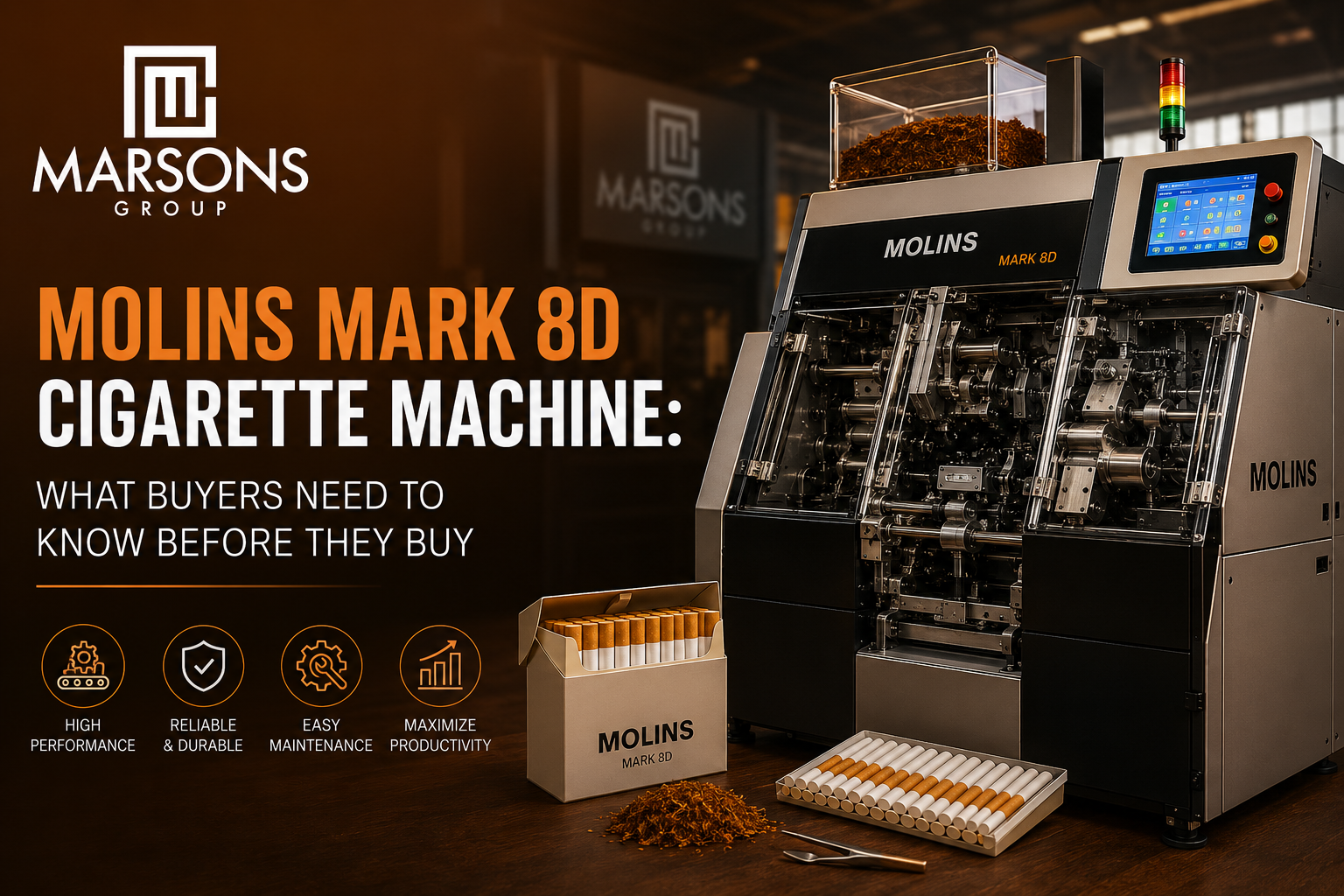
The Molins Mark cigarette machine is a high-speed cigarette maker. It takes cut tobacco, feeds it into a continuous rod, wraps it in cigarette paper, applies the filter, and cuts everything down to the correct length. The finished cigarettes then move directly to the packing line. This is the core of any cigarette production operation, and the making machine is where output quality is largely determined.
The Mark 8D sits in the mid to high range of making machine capability. It is not the oldest model in the Molins lineup, but it is not the newest either. What it is, is proven. Facilities that run it know what to expect from it, and that predictability is a big part of why it remains in demand even as newer models exist.
Why Are Buyers Still Looking for This Machine?
The honest reason most manufacturers look for a mark 8 cigarette machine for sale rather than buying new equipment comes down to cost and practicality.
Brand new high-speed making machines represent a very significant capital investment. For manufacturers in emerging markets, smaller operations scaling up, or facilities replacing aging equipment on a budget, that level of investment is not always realistic. A well-maintained or properly rebuilt Mark 8D delivers genuine production capacity at a fraction of the cost of new equipment.
There is also the familiarity factor. Many production managers and technicians already know this machine. They have worked with it before, they understand how it behaves, and they know what to watch for when something needs attention. That kind of institutional knowledge has real value on a production floor.
What to Check Before You Buy?
This is where most buyers need to slow down, because the condition of any specific Mark 8D unit matters enormously.
Start with the running hours. A cigarette making machine that has been running three shifts a day for fifteen years is in a very different place mechanically than one that has had lighter use and regular maintenance. Ask for whatever service records exist. They will not always be complete, but what is there tells you something about how the machine was treated.
The tobacco feeding system deserves close attention. This is the part of the machine that handles the raw material before it enters the rod-forming section, and it is also one of the areas that accumulates wear and contamination over time. Ask specifically about the condition of the hopper, the feed rollers, and the distributor.
The rod-forming section itself is the heart of the mark 8D machine. The garniture, the tape, and the tongue all need to be in good condition for the machine to produce a consistent rod. Any unevenness here shows up directly in the finished cigarette quality. If the seller can arrange it, watching the machine produce cigarettes and then inspecting a sample of the output is worth doing before any money changes hands.
The cutting unit is another area to look at carefully. Blunt or worn cutting knives produce ragged ends on the finished cigarettes, which affects both quality and wastage. Ask when the knives were last replaced or sharpened.
Filter attachment is the final stage of the making process and another common wear point. Check the filter feed mechanism, the tipping paper application, and the seam sealing. These components handle the most repetitive motion on the machine and wear accordingly.
The Rebuilt Machine Question
A significant portion of the mark 8D machines currently on the market are rebuilt or refurbished units rather than machines being sold in their original working condition.
Rebuilt does not automatically mean good or bad. It depends entirely on who did the rebuilding and what standard they worked to. A properly rebuilt Mark 8D from an experienced tobacco machinery supplier can perform comparably to a much newer machine. A poorly rebuilt one can give you problems from day one.
When you are looking at a rebuilt unit, ask specifically what was replaced during the rebuild. A reputable supplier will have a clear answer. They will be able to tell you which components are new, which were reconditioned, and which were inspected and left in place because they were still within spec. Vague answers about a general overhaul without specifics are a reason to ask harder questions.
Spare Parts and Ongoing Support
The molins mark cigarette machine has been in production long enough that there is a reasonable supply of spare parts in the market. This is genuinely good news for buyers, because it means keeping the machine running does not depend on a single supplier having stock.
That said, parts availability still varies depending on who you are buying from and where you are located. Before finalizing any purchase, ask your supplier directly which parts they stock, what the lead times look like for the components they do not keep on hand, and what their technical support looks like if something goes wrong after installation.
For manufacturers who want a clearer sense of what a full-service machinery relationship looks like, the cigarette making machines section on the Marsons Group website gives a good picture of both the equipment available and the support structure behind it. It is worth a look as a reference point when evaluating what different suppliers are actually offering.
Integration With Your Production Line
The Mark 8D does not operate in isolation. Its output feeds directly into your packing line, which means the two need to be compatible in terms of speed, cigarette format, and conveyor interface.
Before purchasing, confirm that the output rate of the machine you are buying matches what your packing line can handle. Mismatches here create bottlenecks that cost you efficiency and can cause quality issues downstream. If you are building a line from scratch, this is the kind of integration question that an experienced machinery supplier should be helping you think through before the purchase, not after.
Conclusion
The mark 8D cigarette machine has proven itself over a long commercial history. For manufacturers who need reliable making capacity without the price tag of brand-new equipment, it remains a genuinely practical option. As highlighted in many Cigarette Machine Manufacturer Guide resources, the machine’s reputation only protects you so far. The condition of the specific unit you are buying, the honesty of the seller, and the quality of the support available afterward are what determine whether the purchase works out. Go in with the right questions and you are in a much stronger position to make a decision you will not regret.