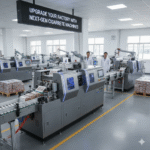

The tobacco manufacturing industry is evolving rapidly with increasing demand for higher production speeds, consistent quality, and cost efficiency. Outdated machinery can limit growth, increase operational costs, and reduce competitiveness. Upgrading to advanced equipment from experienced manufacturers like Marsons Group can significantly improve overall factory performance.
Below are the top five reasons why upgrading your tobacco machines is a smart strategic investment.
1. Increased Production Efficiency
Older machines often operate at lower speeds and require frequent manual adjustments. Modern tobacco machinery is engineered for high speed, continuous operation with minimal interruption.
Upgraded systems offer:
Higher output per minute
Reduced downtime
Automated material feeding
Faster changeover between product types
Efficiency Comparison Table
| Feature | Older Machines | Modern Upgraded Machines |
|---|---|---|
| Production Speed | Moderate | High speed continuous output |
| Downtime Frequency | Frequent | Minimal with predictive systems |
| Automation Level | Semi automatic | Fully automated |
| Labor Requirement | High | Reduced |
Increased efficiency directly translates into higher daily production capacity and improved profitability.
2. Improved Product Quality and Consistency
Consistency is critical in tobacco manufacturing. Variations in weight, density, or filter alignment can lead to product rejection and brand reputation issues.
Upgraded tobacco machines use:
Precision weight control systems
Advanced sensors
Automated quality inspection
Stable compression technology
These features ensure every cigarette meets defined quality standards. Improved quality control reduces waste and enhances customer satisfaction.
3. Reduced Operational and Maintenance Costs
A common misconception is that upgrading machinery is expensive. In reality, outdated machines often cost more over time due to:
Frequent breakdowns
High spare part replacement
Energy inefficiency
Increased labor dependency
Modern machines are designed with energy efficient motors, automatic lubrication systems, and durable components that reduce maintenance costs.
Cost Impact Overview
| Cost Factor | Old Equipment | Upgraded Equipment |
|---|---|---|
| Energy Consumption | High | Optimized and lower |
| Spare Part Usage | Frequent replacement | Long lasting components |
| Maintenance Time | Long downtime | Scheduled preventive maintenance |
| Labor Cost | Higher | Lower due to automation |
Long term savings often justify the initial investment.
4. Advanced Automation and Smart Technology
Automation is transforming tobacco manufacturing. Modern machines integrate digital control systems, allowing operators to monitor production in real time.
Key technological advancements include:
PLC based control systems
Touchscreen human machine interfaces
Automatic error detection
Data driven performance monitoring
Smart systems help manufacturers identify issues before they become costly problems. This predictive approach minimizes unexpected stoppages and improves workflow efficiency.
5. Better Compliance with Industry Standards
Regulatory standards and safety requirements continue to evolve. Older machines may not meet updated compliance norms related to safety, emissions, and operational controls.
Upgrading ensures:
Improved worker safety features
Enhanced dust control systems
Better emission management
Accurate batch tracking
Compliance reduces legal risks and strengthens business credibility in domestic and international markets.
When Should You Consider an Upgrade
You should consider upgrading your tobacco machines if:
Your production demand has increased
Maintenance costs are rising yearly
Machine downtime affects delivery timelines
Product rejection rates are increasing
You plan to expand into new markets
Upgrading at the right time prevents operational bottlenecks and positions your business for scalable growth.
Frequently Asked Questions
How often should tobacco machines be upgraded?
Most manufacturers evaluate upgrades every 10 to 15 years depending on wear, technology advancements, and production goals.
Is upgrading better than repairing old machines?
If repair costs are recurring and production efficiency remains low, upgrading is typically more cost effective long term.
Will upgrading disrupt current operations?
With proper planning and phased installation, production disruption can be minimized.
Do modern tobacco machines require special training?
Yes, operators may need basic technical training, but modern interfaces are designed for user friendly operation.
What is the return on investment for upgrading?
Return on investment depends on production volume, but many manufacturers see significant savings within a few years due to improved efficiency and reduced waste.
Conclusion
Upgrading your tobacco machines is not just about replacing old equipment. It is a strategic decision that enhances productivity, improves quality, reduces operational costs, and ensures regulatory compliance. In a competitive market, modern machinery provides the technological edge required for sustainable growth.
If you are planning to modernize your tobacco production line, connect with Marsons Group today to explore advanced solutions designed to maximize your factory performance.