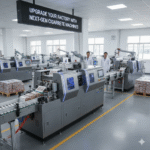

In the tobacco-processing and cigarette-manufacturing industry, efficiency, safety, and regulatory compliance depend heavily on the people who operate the machines. Even the most advanced equipment can only perform well when managed by properly trained technicians and operators.
The Critical Role of Skilled Operators in Tobacco Processing
Tobacco-processing machinery, including makers, packers, filter machines, and wrapping units, involves high-speed, high-precision operations. Skilled operators are responsible for:
- Setting up machines correctly
- Monitoring production quality
- Identifying early signs of mechanical issues
- Ensuring safety protocols are followed
- Maintaining consistent output
When training is lacking, even minor errors can lead to machine damage, product defects, safety risks, or compliance violations.
1. Enhancing Workplace Safety
Safety hazards in tobacco-processing facilities can arise from:
- Misaligned parts
- Incorrect machine setup
- Overloading
- Poor shutdown or start-up procedures
- Inadequate understanding of machine controls
Trained teams are better equipped to handle emergencies, use protective equipment, and follow operational safety procedures. This significantly reduces workplace accidents and helps maintain a safe environment for everyone on the production floor.
2. Ensuring Compliance With Industrial Standards
Manufacturers in Pakistan must comply with:
- Workplace-safety rules
- Electrical and fire-safety standards
- Machine-guarding requirements
- Noise and dust-control guidelines
- Quality-consistency expectations
A well-trained team understands not just how machines work but why compliance matters. This knowledge helps facilities stay aligned with national regulations and avoid fines, shutdowns, or operational risks.
3. Improving Production Quality and Consistency
Precision is fundamental in tobacco processing. Trained operators:
- Adjust machines accurately
- Maintain consistent tobacco flow
- Monitor wrapping, cutting, and filter-joining quality
- Reduce wastage through proper handling
- Detect problems early
This leads to better-quality output, smoother operation, and lower rejection rates.
4. Reducing Machine Downtime and Repair Costs
Lack of technical knowledge can cause avoidable machine wear or damage. Training helps teams:
- Perform routine checks correctly
- Recognize early warning signs
- Replace basic components safely
- Handle minor adjustments without calling external technicians
This ultimately reduces operational costs and protects heavy machinery from unnecessary damage.
5. Building a Culture of Responsibility and Efficiency
When employees receive proper training, they feel more confident, responsible, and motivated. This promotes:
- Better teamwork
- Greater attention to detail
- Stronger adherence to safety policies
- Faster problem-solving
- Lower turnover rates
Trained staff contribute directly to a more efficient and compliant facility.
6. Marsons Group Training Support for Clients
Marsons Group provides tailored training services to help clients operate their tobacco-processing and cigarette-manufacturing machinery safely and efficiently. Training typically includes:
- Machine operation basics
- Safety and emergency procedures
- Maintenance routines
- Troubleshooting common issues
- Efficient production practices
Our goal is to empower your workforce to manage machines confidently and maintain long-term operational reliability.
Conclusion
In the tobacco-processing industry, skilled personnel are just as valuable as the machinery they operate. Proper training improves safety, increases productivity, enhances compliance, and protects your investment in expensive equipment.
By equipping your team with the right knowledge and practical skills, you create a safer, more efficient, and more responsible production environment.