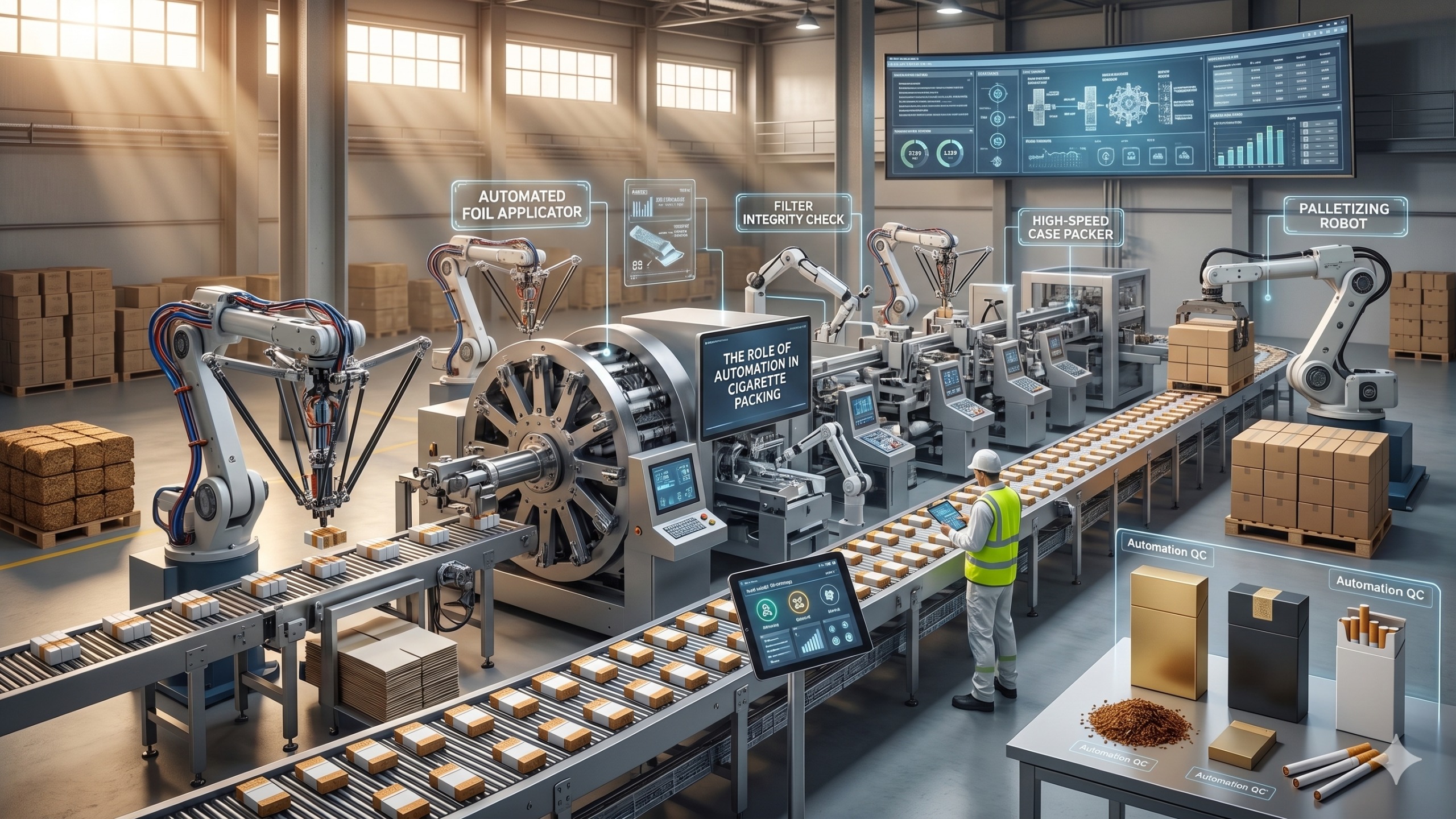
Nobody thinks about the pack. You grab it, you open it, you move on. But somewhere in a factory, a machine just packed that exact cigarette in under a second, sealed it perfectly, checked it for defects, and moved on to the next thousand before you even had time to blink. No coffee break, no tired hands, no mistakes. Just pure, relentless speed and precision. Automation did not just enter the cigarette manufacturing world, it took over completely, and honestly, it is not hard to see why.
Hand Packing Was Never Going to Last
Go back a few decades, and cigarette packing was all hands. Workers standing at conveyor belts, filling packs, folding edges, passing them down the line. It got the job done, sure. But it was slow. Some days the output was good, other days not so much. A tired worker makes mistakes, and in a high-volume production environment, those mistakes add up fast.
When automated systems started coming in, most manufacturers did not switch overnight. It was gradual. One machine here, one upgraded line there. But once they started seeing what a single cigarette packing machine could do compared to a full manual team, the direction became pretty clear. There was no going back.
What Actually Happens Inside These Machines?
Most people picture automation as just a faster version of what humans used to do. But modern cigarette packaging machines are doing far more than that.
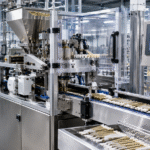
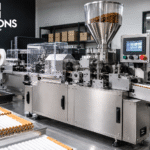
Each pack goes through a full sequence without anyone touching it. The machine pulls cigarettes from the making line, counts them, groups them, lines them up, wraps the inner foil around them, slides on the outer shell, folds every edge down tight, drops the tax stamp in the right spot if needed, and then wraps the whole thing in film and seals it. That entire process takes about a second. Then it does it again. And again. For hours.
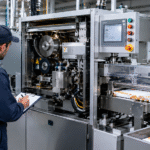
What makes this even more impressive is the built-in checking. Sensors inside the machine are scanning every single pack as it moves through. A broken cigarette, a missing one, anything out of place gets flagged and pulled before the pack is sealed. That used to be a job for a row of inspectors watching the line. Now the machine handles it without breaking pace.
Some facilities have gone a step further and connected their packing lines to monitoring software. Managers can see live data on how the line is performing, spot slowdowns before they turn into stoppages, and track output across the whole shift from one screen.
Consistency is What Manufacturers Actually Need
Speed gets most of the attention when people talk about automated packing, but consistency is honestly the bigger deal for most manufacturers.
Think about what a retailer or a distributor expects when they place an order. Every pack needs to look right, feel right, and be sealed properly. If even a small percentage of packs come out loose or slightly off, it creates problems. Returns, complaints, and compliance issues depend on which market you are selling into.
When people are doing the packing, there is always some variation. Different speeds, different pressure, different levels of attention depending on how far into a shift you are. Automated systems do not have that problem. Every pack goes through the exact same process with the exact same settings. The output is the same at hour one as it is at hour ten.
For manufacturers running large volumes, that level of reliability is not just convenient. It is necessary.
More Manufacturers Are Making the Switch
Demand for cigarette packing machines for sale has been growing across a lot of markets over the past several years. It is happening in South Asia, across parts of Africa, in Eastern Europe, and throughout Southeast Asia. Some of it is driven by new manufacturers setting up production for the first time. A lot of it is existing producers upgrading equipment that has been running for too long.
Regulations have also pushed things along. Many countries now have stricter requirements around how cigarette packs need to be labeled, printed, and sealed. Doing that consistently at scale is much easier with automated equipment than with manual or semi-automatic processes.
Rebuilt and refurbished machines have made this more reachable for smaller manufacturers too. Not every producer has the budget for brand-new equipment, but a well-rebuilt machine from a reputable supplier can deliver the same reliable output at a lower entry cost.
The Maintenance Question
Every manufacturer who considers going automated eventually asks the same thing. What happens when it breaks down?
It is a fair question. These machines are complex, and when a packing line goes down in a high-volume facility, every minute of downtime has a cost attached to it.
The honest answer is that maintenance depends largely on who you bought the machine from. A supplier who offers proper after-sales support, keeps spare parts available, and has technicians who can actually come in and sort out problems makes a huge difference. A cigarette packaging machine with solid backup behind it is a long-term asset. One without that support can turn into a headache pretty quickly.
This is why the relationship with the supplier matters just as much as the machine specs do when making a purchasing decision.
How does Marsons Group approach this?
Marsons Group has been supplying tobacco and cigarette machinery internationally since the 1960s. That kind of history means they have seen how this industry works across different markets, different regulatory environments, and different scales of production.
Their cigarette packing machines are built for high-volume, consistent output. But what a lot of their clients come back to is the support side. Installation help, technical assistance, spare parts availability, and a team that stays involved after the sale. For manufacturers who have been burned by suppliers who disappear once the deal is done, that ongoing commitment is worth a lot.
Whether you are setting up a new facility or looking for cigarette packing machines for sale to replace aging equipment, Marsons Group brings both the machinery and the experience to make it work properly.
Conclusion
Automated packing is not some distant future upgrade anymore. It is already the standard in most serious manufacturing operations. The manufacturers who made the move earlier are now producing more, wasting less, and dealing with far fewer quality issues than those still running older manual processes. For anyone still weighing the decision, the numbers tend to speak for themselves pretty quickly once you sit down and look at them.