The tobacco industry relies heavily on advanced machinery to process raw tobacco into high-quality products. Tobacco processing machines are at the heart of this transformation, enabling manufacturers to produce consistent, flavorful, and efficient products while reducing labor costs and waste. Understanding the key technologies behind these machines can help businesses optimize their production processes and stay competitive in a demanding market.
1. Cutting and Shredding Machines
The first step in tobacco processing often involves cutting or shredding raw tobacco leaves. Cutting machines are designed to produce uniform tobacco strips, which is crucial for achieving consistent cigarette quality. Shredding machines can handle different types of tobacco, from flue-cured to burley, and allow for precise control over cut size. This precision not only improves product consistency but also reduces material wastage.
2. Blending Machines
Blending is essential for creating a consistent flavor profile across batches. Tobacco blending machines combine different types of tobacco in exact proportions, ensuring that each cigarette tastes the same. Modern blending machines use sensors and automated controls to maintain precision, reducing the need for manual adjustments and minimizing errors.
3. Conditioning Machines
Conditioning machines adjust the moisture content of tobacco, which is critical for both the manufacturing process and the final product quality. Properly conditioned tobacco burns evenly, packs efficiently, and improves the overall smoking experience. Automation in conditioning machines allows for precise humidity control, preventing over-drying or excessive moisture, which can lead to waste.
4. Flavoring and Additive Machines
Some tobacco products require added flavors or additives. Specialized flavoring machines evenly distribute liquids or powders across processed tobacco, ensuring uniformity and consistent taste. Automation ensures precise application, minimizing product loss and enhancing overall quality.
5. Advanced Monitoring and Control Systems
Modern tobacco processing machines often come with integrated monitoring systems. These systems track temperature, humidity, cutting size, and blending ratios in real-time. Automated feedback loops allow the machines to self-correct, maintaining optimal performance and reducing errors that could result in wasted raw materials.
6. Energy and Resource Efficiency
Newer tobacco processing machines are designed for energy efficiency. They use optimized motors, heating systems, and sensors to reduce electricity consumption and minimize material loss. This not only reduces production costs but also supports more sustainable manufacturing practices.
7. Integration with Production Lines
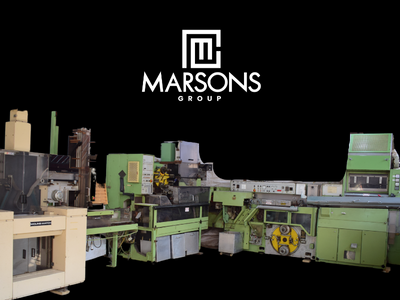
Tobacco processing machines are most effective when integrated with other production equipment, such as cigarette making machines, filter machines, and packing machines. Seamless integration ensures smooth workflow, reduces downtime, and improves overall production efficiency.
Conclusion
Tobacco processing machines are vital for producing high-quality tobacco products efficiently. Cutting, blending, conditioning, and flavoring technologies, combined with advanced monitoring and automation, allow manufacturers to reduce waste, maintain consistency, and enhance product quality. Investing in modern tobacco machinery is not just about speeding up production—it’s about ensuring every product meets strict quality standards while optimizing resources.