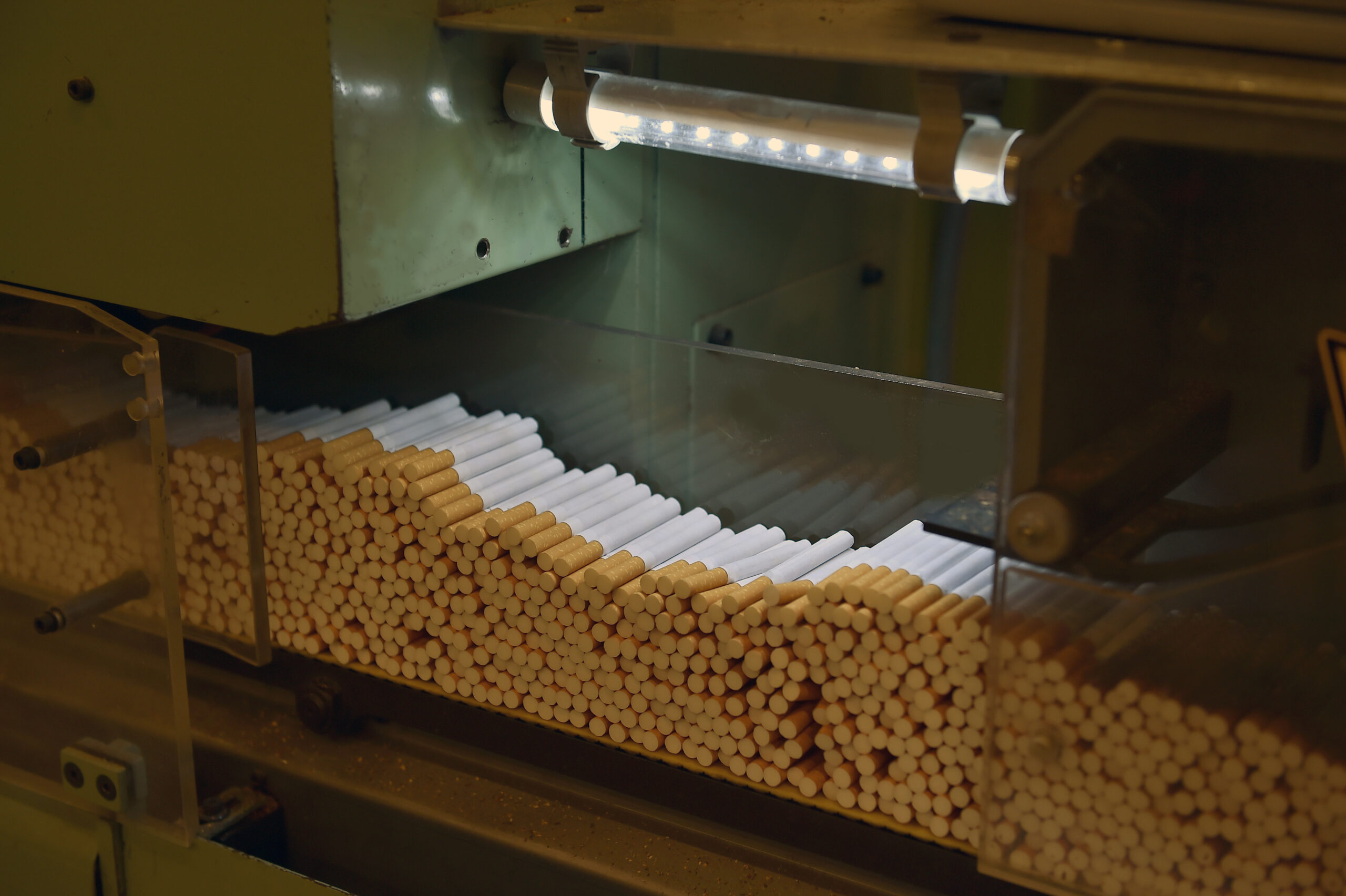
The tobacco industry continues to evolve rapidly, driven by advancements in technology and changing market demands. Manufacturers are constantly looking for ways to improve efficiency, reduce waste, and meet stringent quality standards. In 2026, tobacco machinery technology is set to embrace innovation like never before, transforming production lines and reshaping industry standards.
1. Increased Automation Across Production Lines
Automation is no longer optional, it’s becoming standard in cigarette production. Modern machines now handle everything from tobacco processing and blending to cigarette making, packing, and box wrapping. Automated systems improve precision, reduce human error, and allow manufacturers to operate at higher speeds without compromising quality.
2. Integration of AI and Machine Learning
Artificial intelligence (AI) and machine learning are beginning to play a significant role in tobacco machinery. AI-powered systems can monitor production in real-time, predict maintenance needs, and optimize processes for maximum efficiency. For example, AI can detect inconsistencies in cut tobacco or packing alignment, reducing material waste and improving product uniformity.
3. Energy-Efficient Machinery
Sustainability is a growing concern in every industry, including tobacco. New machinery is being designed to consume less energy while maintaining high production rates. Energy-efficient motors, optimized heating systems, and smart sensors reduce electricity usage, minimize waste, and lower operational costs.
4. Advanced Tobacco Processing Technologies
Cutting, shredding, and blending machines are becoming more precise and versatile. Enhanced sensors, faster processing speeds, and automated quality checks ensure that tobacco is prepared consistently for cigarette production. These advancements reduce material wastage and improve the overall quality of the final product.
5. Modular and Flexible Production Lines
Manufacturers are increasingly adopting modular machinery systems. These systems allow production lines to be easily reconfigured or expanded to accommodate new products, packaging types, or production scales. Flexibility ensures that businesses can adapt quickly to changing market demands without investing in entirely new machinery.
6. Smart Monitoring and Data Analytics
IoT-enabled machines collect real-time data on production rates, material usage, and equipment performance. Advanced analytics provide actionable insights, helping managers make informed decisions, prevent downtime, and optimize resource allocation. Predictive maintenance also ensures machines run efficiently and reduces the risk of costly breakdowns.
7. Enhanced Packaging and Wrapping Solutions
Cigarette box wrapping machines and packing systems are becoming faster and more precise. Innovations in packaging technology allow for reduced material usage, better sealing, and customizable designs. This trend not only improves efficiency but also enhances the product’s visual appeal and shelf presence.
8. Focus on Safety and Compliance
New regulations around safety and quality standards are influencing machinery design. Modern tobacco machinery comes equipped with safety features, automated shutdowns, and quality control mechanisms to ensure compliance with international standards. These innovations protect both workers and consumers while maintaining production efficiency.
Conclusion
The tobacco machinery industry in 2026 is set to become smarter, faster, and more sustainable. Automation, AI, energy efficiency, modular designs, and advanced monitoring systems are driving these changes. For manufacturers, adopting these technologies is key to staying competitive, reducing waste, and delivering high-quality products. Staying ahead of these trends ensures a streamlined production process and a stronger position in the global tobacco market.