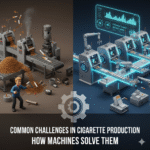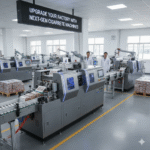

The tobacco industry has come a long way from manual cigarette production to fully automated systems. Automation has transformed the way cigarettes are manufactured, making the process faster, more consistent, and cost-effective. Today, advanced machinery like cigarette making machines, packing machines, and filter machines play a vital role in streamlining production while minimizing waste.
1. Precision Manufacturing Reduces Material Waste
One of the biggest advantages of automation in cigarette production is precision. Automated cigarette making machines are designed to measure tobacco, paper, and filters accurately. This ensures that each cigarette contains the exact amount of material, reducing overuse and minimizing waste. Unlike manual processes, where inconsistencies are common, automation guarantees uniformity, which also enhances product quality.
2. Faster Production Speeds
Automated machines can produce thousands of cigarettes per hour, far exceeding manual capabilities. High-speed cigarette packing machines and box wrapping machines allow manufacturers to package products efficiently without slowing down the production line. Faster production not only meets market demand but also reduces downtime, which often leads to wasted resources.
3. Reduced Human Error
Human error in cigarette manufacturing can lead to misaligned filters, improper packing, or uneven cigarette lengths. Automated machines eliminate these errors, ensuring every product meets strict quality standards. Reduced mistakes mean less material is discarded due to defects, directly cutting down on waste.
4. Optimized Tobacco Usage
Advanced tobacco processing machines help optimize how raw tobacco is used. Machines can blend, cut, and prepare tobacco in a way that maximizes yield while maintaining flavor and consistency. By controlling every step of the process, manufacturers can use raw materials more efficiently, further reducing waste.
5. Energy and Resource Efficiency
Automation doesn’t just save materials—it also saves energy and labor. Modern machines are designed to consume less electricity and operate with minimal human supervision. Efficient energy use combined with reduced labor costs makes automated cigarette production both economically and environmentally beneficial.
6. Better Inventory Management
Automated systems can be integrated with digital monitoring tools to track production rates and inventory levels in real-time. This ensures manufacturers produce the right quantities without overproducing, which helps prevent wasted products sitting unsold in storage.
7. Consistent Quality and Customer Satisfaction
By reducing waste and maintaining high productivity, automation also ensures a consistent product for consumers. Consistent quality strengthens brand reputation and customer trust, which indirectly supports profitability and reduces losses from returned or rejected products.
Conclusion
Automation in cigarette production is more than just a technological upgrade, it’s a strategic move that reduces waste, improves efficiency, and ensures high-quality products. From precise material usage to high-speed packing, every step of the automated production line contributes to sustainability and productivity. For manufacturers looking to stay competitive, investing in advanced cigarette making, packing, and processing machines is no longer optional, it’s essential.